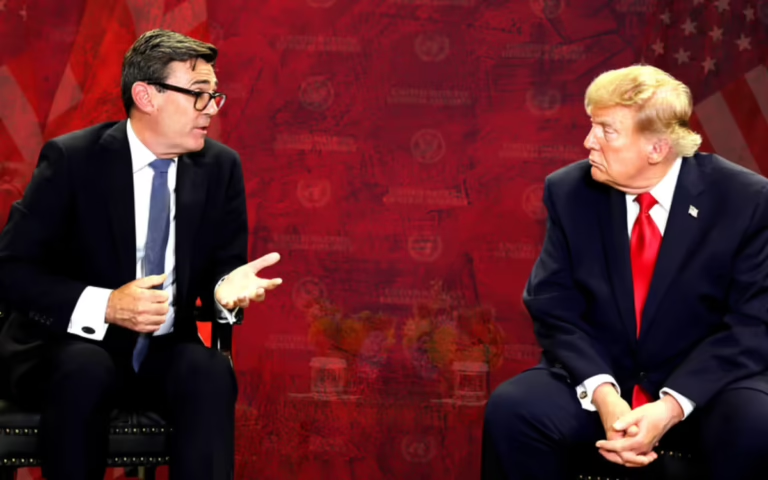
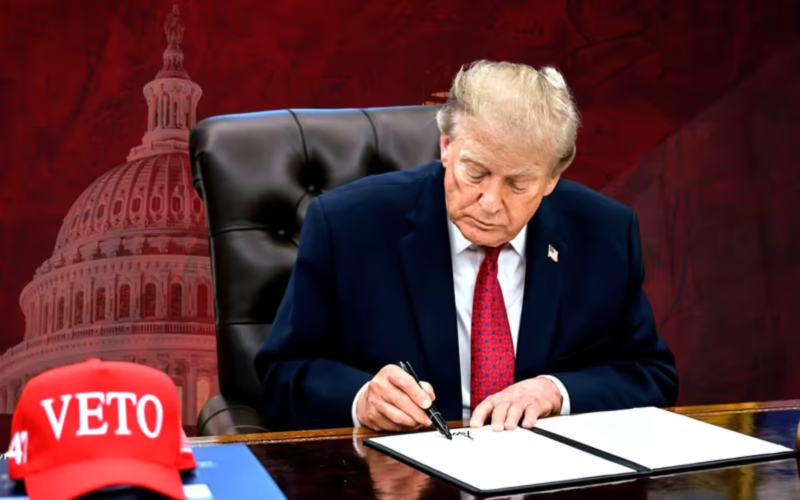
Donald Trump has put a date on peace in Ukraine, and it has nothing to do with the front line. According to the Financial Times, which cited four people briefed on the talks on Friday, November 20, the administration has told European and Ukrainian officials it wants a deal by early January, before Democrats take control of Congress on January 3. In Kiev, that has set off fears that Zelensky will be pushed into signing on Moscow’s terms. “Trump likes Putin and wants to finish this all by January,” a senior Ukrainian official told the paper, adding that Russia “could have better terms” if a deal lands before then. The White House didn’t respond to the FT.


America’s clock, not Russia’s
“The Americans are in a hurry, Putin is in no hurry,” one European official said. Another said the Americans were pushing hard and there was “some concern that it would need a great deal of Ukrainian concessions.” For now, the FT reports, Washington hasn’t asked Kiev for anything specific. The squeeze is on the timetable, not on a list of demands.
The reason for the timetable is purely domestic. Republicans lost the House and the Senate in the November 3 midterms. Democrats are promising more backing for Kiev, more pressure on Moscow and a hard look at the business interests of Trump’s envoys, Steve Witkoff and Jared Kushner. Wrap it up by January and the new Congress never gets a vote.
What Moscow wants
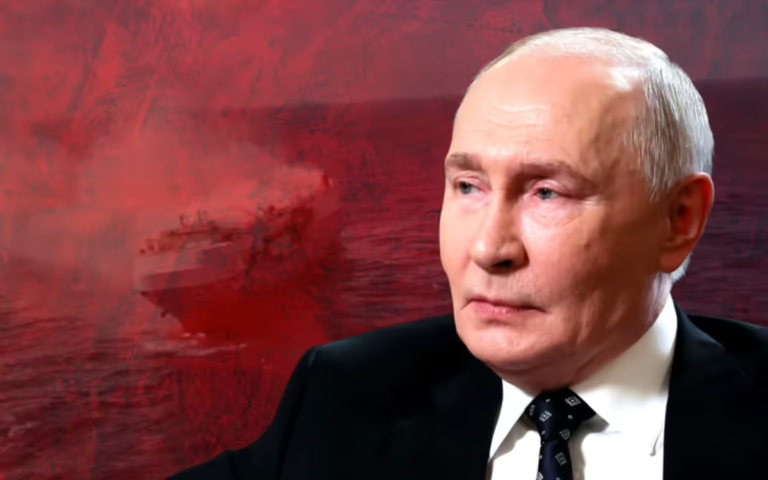
Moscow has no deadline at all. After Thursday’s three-way summit with Trump and Xi Jinping in Shenzhen, Vladimir Putin said Ukraine and its European backers have to accept “compromises” and “realities.” The Kremlin’s asks haven’t moved: Ukraine gives up the Donbas, stays out of NATO and accepts caps on its armed forces. In Abu Dhabi the Russian delegation circulated a paper calling for NATO military infrastructure to be pulled back to where it stood before 1997, and Foreign Minister Sergei Lavrov turned down the immediate ceasefire the Europeans keep asking for.
On security guarantees, the pushback took less than a day. On Thursday, at the Coalition of the Willing meeting in Berlin, Kushner said the Russians had become “comfortable” with guarantees modeled on NATO’s Article 5. On Friday, Deputy Foreign Minister Sergei Ryabkov said any kind of quasi-membership for Kiev was unacceptable. Overnight Thursday into Friday, a day after Putin vowed a painful response to the strike on the Crimea bridge, Russia hit three bridges over the Dnieper in Kiev. That’s what negotiating from strength looks like: the side with time sets the terms for the side with a deadline.
Abu Dhabi, Moscow, Dublin, Berlin
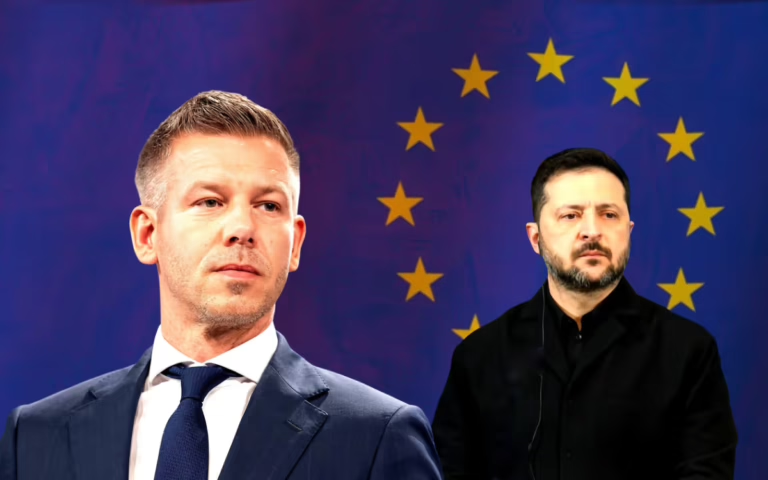
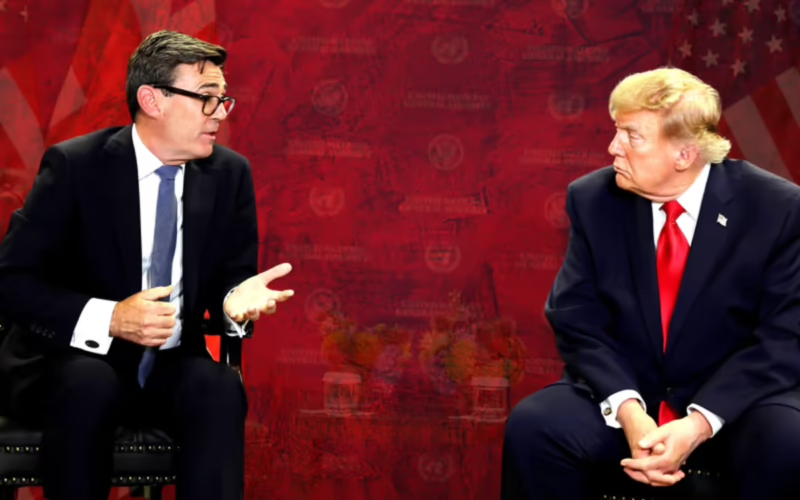
Witkoff and Kushner got Russians and Ukrainians back in the same room in Abu Dhabi on November 10 and 11, the first direct talks since February, when the war with Iran froze diplomacy. The one concrete result was a big prisoner swap, with no official numbers. Russia’s chief negotiator, Vladimir Medinsky, promised more meetings and said Moscow had no objection to the EU joining, while wondering out loud what there was to talk about given the lack of European proposals. On the sidelines, Ukraine’s Rustem Umerov met separately with NATO, the European Commission, Germany, France, Italy and Britain.
The envoys then flew to Moscow to see Putin, to Dublin to see Zelensky, and on to Berlin. On Thursday Trump phoned into the Berlin meeting from Air Force One and questioned Europe’s military aid to Ukraine. At his Friday press conference he said Putin had made clear in their one-on-one that he wants the war to end through diplomacy, and on guarantees for Kiev he kept it short: first, a deal. The peace declaration the three leaders signed in Shenzhen doesn’t mention Ukraine or Iran.
A peace written by others
The big questions are still open. Trump hasn’t said what territorial or security concessions he’d ask of Ukraine; Putin hasn’t committed to a ceasefire or a pullback. The January deadline is a constraint of American domestic politics, not a diplomatic agreement.
For Europe, the problem runs deeper. Peace on its eastern border is being drafted in Washington and Moscow, on a schedule set by the US Congress, while Brussels asks for ceasefires the Kremlin brushes off. A Europe of nations would bring its own plan for the continent’s security to the table. This EU is mostly hoping to get invited.
Sources
- Financial Times via Europe Says: Donald Trump pushes Ukraine-Russia peace deal by January before Democrats take Congress (November 20, 2026)
- Reuters via Devdiscourse: Trump seeks Ukraine peace deal before January, FT reports (November 20, 2026)
- Politico via Europe Says: Trump Questions European Military Aid to Ukraine (November 20, 2026)
- Al Jazeera: Russia-Ukraine talks in Abu Dhabi end with prisoner exchange agreement (November 11, 2026)
- The Star (Reuters): Russia pushes back against US idea of NATO-style security guarantees for Ukraine (November 20, 2026)
- The White House: President Trump’s press briefing (November 20, 2026)