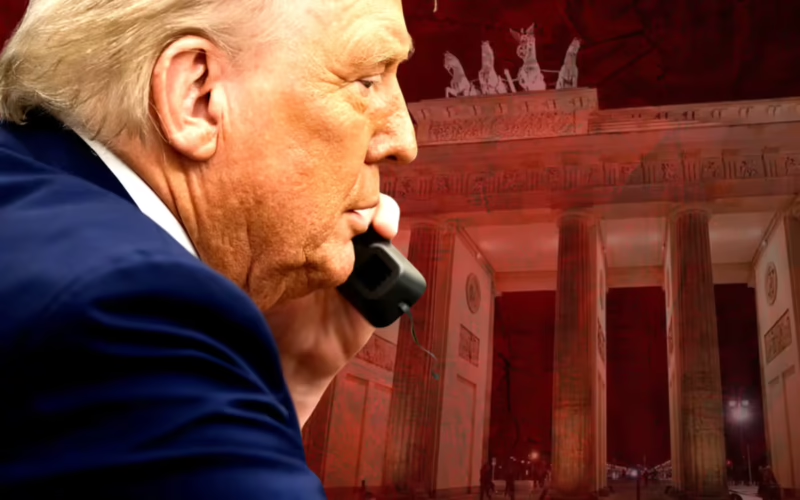
He’d barely left the room with Vladimir Putin and Xi Jinping. On Thursday, November 19, hours after the first-ever three-way summit in Shenzhen, Donald Trump picked up the phone on Air Force One and dialed into the Coalition of the Willing, Ukraine’s European backers huddled at the German chancellery in Berlin. According to four European officials who spoke to POLITICO, the message boiled down to this: Putin is serious about a deal, so why keep pouring billions into the war?

What Trump told the Coalition of the Willing
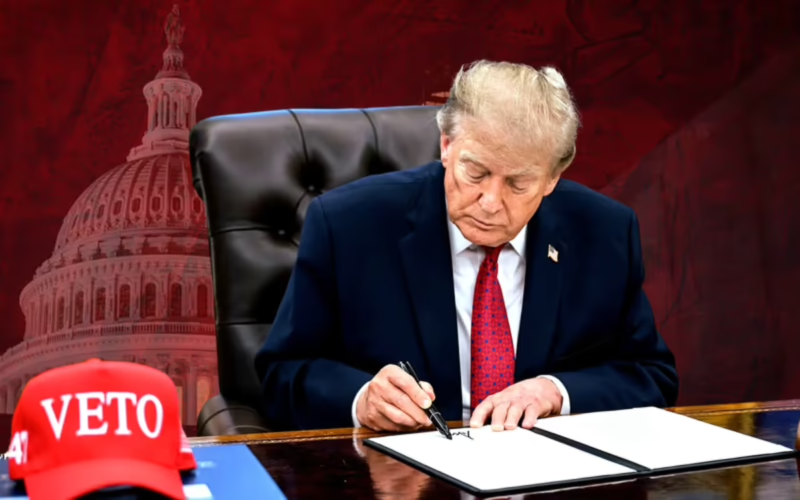
Three of those officials say Trump forcefully pushed back on the idea of yet more billions in aid for Kiev. One person in the room says he kept it broad: a lot of people are dying, and countries should stop wasting money on this war. Euronews, following up the scoop, reports that one official heard him complain about money being wasted on a conflict now nearly five years old. The White House didn’t comment.
Not everyone tells it that way. Swedish Prime Minister Ulf Kristersson told the TT news agency that the call was welcome, that nobody saw it coming and that the tone was “pleasant throughout.” His takeaway: after talking to Putin, Trump believes Russia is ready to negotiate, and Washington wants to talk to every European government. His spokesperson flatly denied that Trump had scolded the leaders.
The call caps a week in which Washington’s tone toward Ukraine has hardened fast. On Tuesday in Brussels, Pentagon policy chief Elbridge Colby panned Ukraine’s long-range strikes inside Russia and walked out of the allied meeting before Kiev’s defense minister gave his briefing. On Wednesday Elon Musk, traveling in China with Trump, accused Zelensky of lying about Starshield. On Thursday the pressure came straight from the top, and this time it was about money.
Berlin, and Europe’s next €45 billion
Chancellor Friedrich Merz was co-hosting with France and the UK: more than thirty heads of government, plus Volodymyr Zelensky and Ursula von der Leyen. German Foreign Minister Johann Wadephul billed it as the biggest gathering of Ukraine’s backers yet. Washington sent envoys Steve Witkoff and Jared Kushner. On the agenda: legally binding security guarantees, possibly including a multinational force after a ceasefire; air defense through PURL, the scheme under which Europeans pay for American Patriots bound for Kiev; and, above all, cash.
The bill landed the day before. Ukraine faces an estimated €70 billion funding gap in 2027, and the European Commission wants to cover €45 billion of it with fresh borrowing: €25 billion for weapons, €20 billion to keep the Ukrainian state running, repayable only once Russia pays war reparations. Slovakia, the Czech Republic and Hungary are sitting it out; Bulgaria won’t chip in but won’t block it either. EU leaders decide on November 26-27. On the eve of the summit, in Dublin, Merz had asked Washington for “no surprises.” He got one anyway, by phone.
Merz pushes back, Trump plays both sides
At his press conference Merz rejected Trump’s framing. Europe funds Ukraine’s defense, he said, “to enable peace negotiations in the first place and to conduct them from a position of strength.” Then: “We are not providing this strong support to prolong the war. We want to end this war.” According to TT, he also ruled out Trump and Putin carving up Ukraine’s future between them in some new Yalta. Witkoff offered a softer read of the call: Trump had “given us instructions on doing everything possible to end this war,” he said, and had raised the same principles with Putin and Xi.
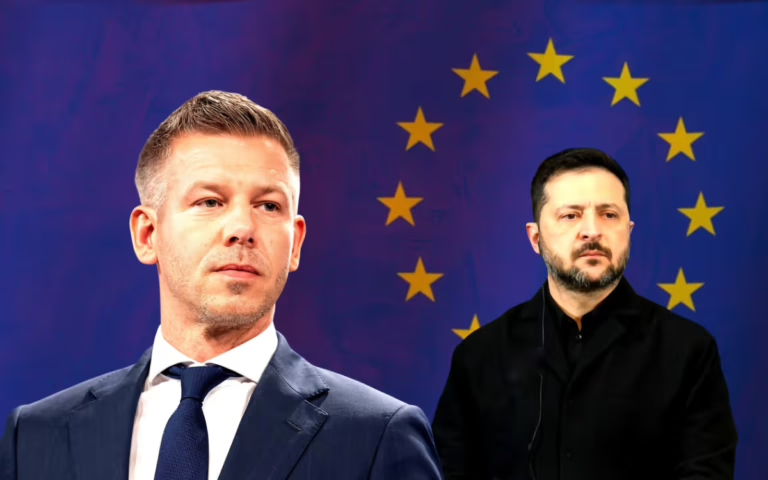
The same day, Trump had something for Kiev too. In a phone interview with NBC News he said he wouldn’t make any final decisions on the war without Zelensky, who a day earlier had warned against great powers settling Ukraine’s fate behind its back. The two messages aren’t really in conflict. Ukraine gets a seat at the table, but Washington and Moscow are setting it, and Europe’s billions are no longer a given.
Europe pays, others decide
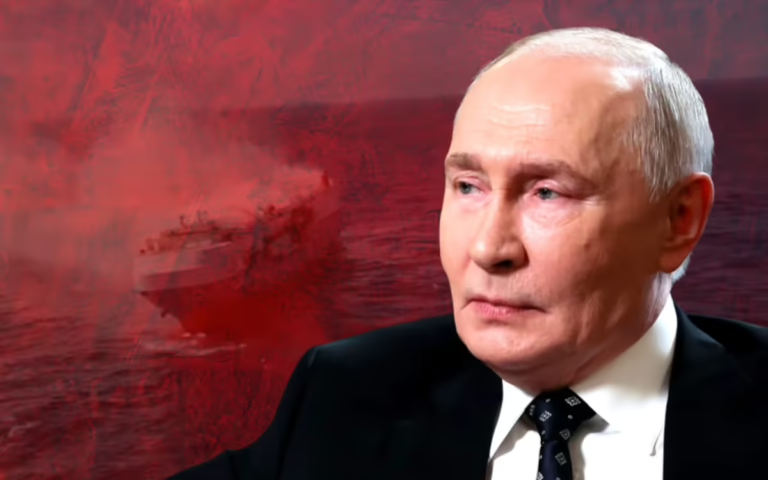
Moscow, meanwhile, is raising the price. In Shenzhen Putin invited the Europeans to come to Moscow and spell out what they’re bringing to the talks, and after Ukraine’s strikes on the Kerch bridge he took a truce at sea and on energy off the table. The peace declaration signed by the three leaders doesn’t even mention Ukraine.
So here’s where Thursday left things. Washington is cutting its own deal with Moscow and telling Europe to stop paying. Moscow wants the Europeans to show up at the Kremlin. Brussels answers with €45 billion in new joint debt, money European families and taxpayers will be on the hook for, sunk into a war whose ending is being written somewhere else. Before they sign the next check, Europe’s nations deserve to know what seat at the table it actually buys them.
Sources
- Euronews: Trump questions Europe’s billions in Ukraine aid during surprise call (Nov 19, 2026)
- UNITED24 Media (citing POLITICO): Trump presses Coalition of the Willing over Ukraine support after Shenzhen summit (Nov 19, 2026)
- Raw Story (citing POLITICO): Trump berates world leaders over Ukraine hours after huddling with Putin (Nov 19, 2026)
- Sweden Herald (TT): Trump surprises European leaders with call to Berlin summit on Ukraine (Nov 19, 2026)
- AFP via Yahoo News: Ukraine’s allies to meet in Berlin after Trump-Putin-Xi talks (Nov 19, 2026)
- EUalive: Coalition of the Willing meets in Berlin as counterweight to Putin-Trump diplomacy (Nov 19, 2026)
- UA.News (citing NBC News): Trump won’t make final Ukraine decisions without Zelensky (Nov 19, 2026)