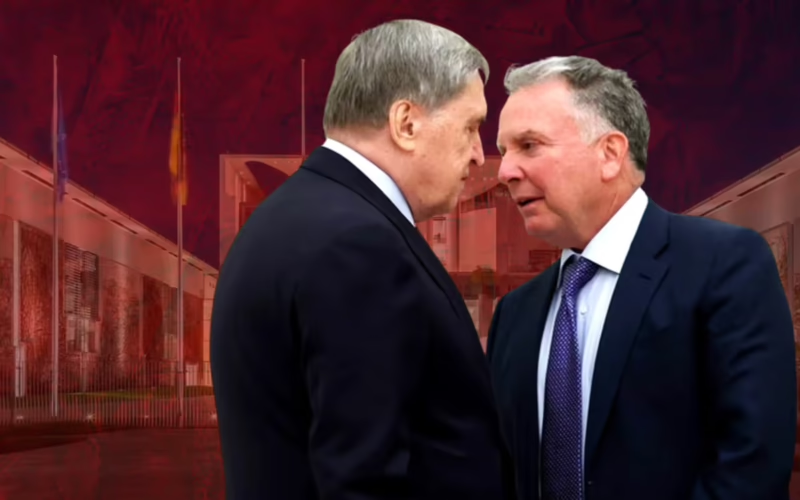
On Thursday, November 19, Trump’s envoys Steve Witkoff and Jared Kushner sit down in Berlin’s Federal Chancellery with Ukrainian and European officials to hash out two things: security guarantees for Ukraine once the shooting stops, and a plan to rebuild its economy. For the first time, Europe is at the negotiating table with its whole team. The catch: Moscow, the other side of this war, says it never signed off on that bigger table.

The Berlin summit on Ukraine: who’s in the room
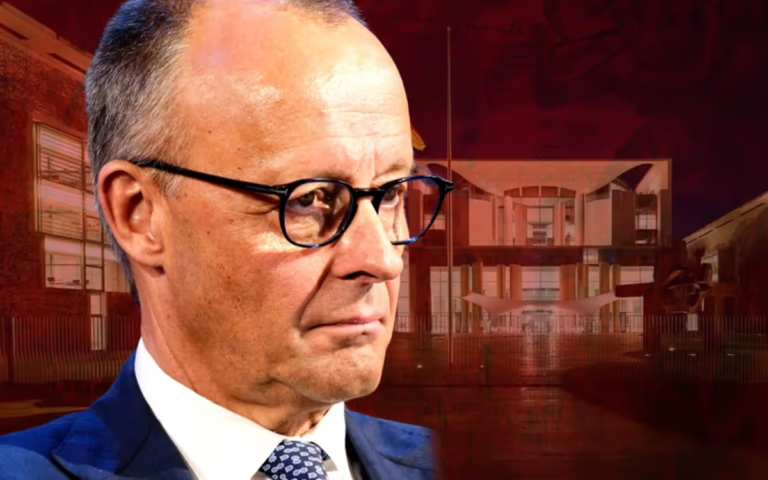
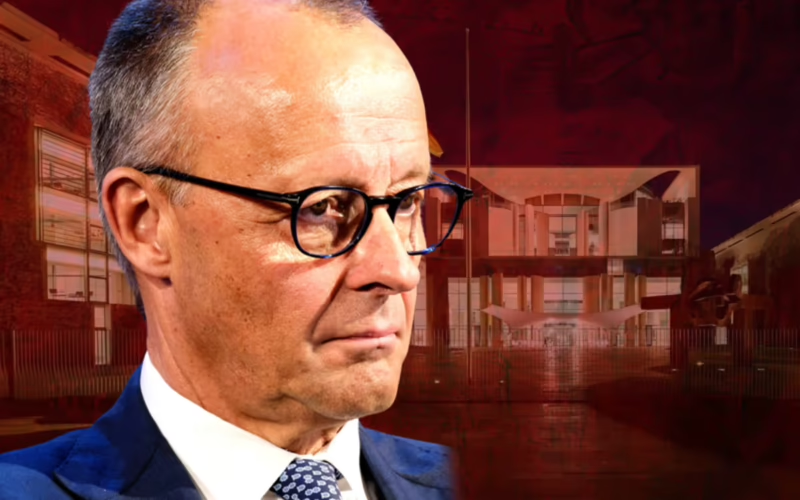
German Chancellor Friedrich Merz called the meeting together with Emmanuel Macron and British Prime Minister Andy Burnham. Berlin announced it on November 13 under a lofty banner, “United for Peace in Ukraine and European Security.” It’s a summit of the so-called Coalition of the Willing, the group of countries that say they’re ready to back Ukraine’s security after a ceasefire. On the agenda: diplomatic coordination, postwar guarantees and continued support for Kiev.
According to a U.S. official quoted by Axios, Witkoff and Kushner want two things out of it: guarantees that deter future Russian attacks, and a reconstruction plan. Nobody is deploying troops and nobody is signing binding commitments. The reference point is still the Paris Declaration of January 6, which sketched five building blocks for future guarantees, all of them kicking in only after a ceasefire.
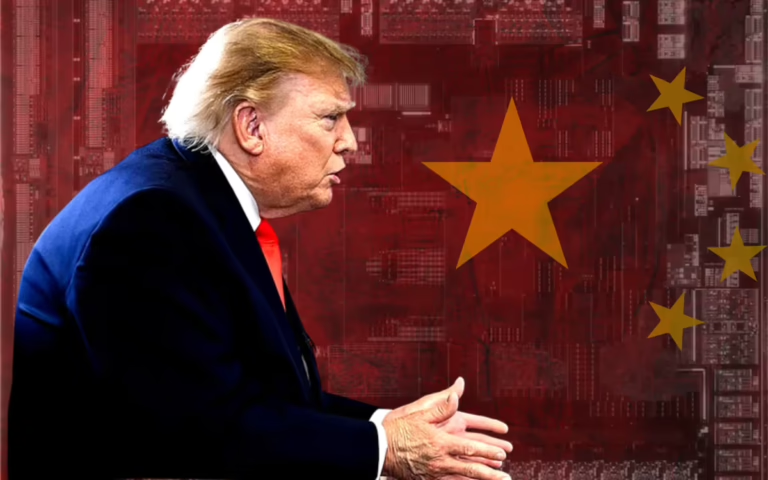
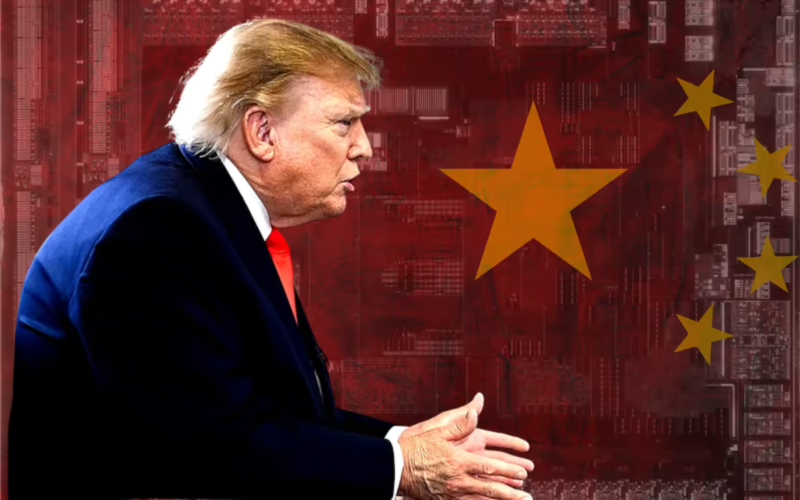
The same day, Trump meets Vladimir Putin and Xi Jinping in Shenzhen. On November 13 the White House said Ukraine was off that agenda; on Monday Trump said he’d bring it up after all, and Washington is now pitching Berlin and China as “a coordinated diplomatic effort.”
Monday: Europe shows up in full
Berlin grew out of Monday’s video talks on November 16. For the first time the European side was all there: the E5, meaning France, Germany, Britain, Italy and Poland, plus the European Commission, the European Council and NATO, with Witkoff and Kushner dialed in. European Council President António Costa had set the lineup in Dublin on November 13. “Europe was represented in this discussion by the full group,” Zelensky said. “The discussion was difficult, but there is a result.” The result is Thursday’s meeting.
Just days earlier the Europeans were stuck in the hallway. At the Abu Dhabi talks on November 10 and 11, the first U.S.-Russia-Ukraine round since February, Britain, France, Germany, Italy, NATO and the Commission met the Americans and Ukrainians separately and never sat across from the Russians. Abu Dhabi produced a deal on what could be the biggest prisoner swap since 2022, and zero movement on territory. Sergei Lavrov brushed off the Europeans, suggesting their officials should “stay at the hotel.”
On November 12 Witkoff and Kushner spent about two and a half hours with Putin in the Kremlin. Afterward Witkoff said the three-way track was back on and that the Europeans would join the next meeting. Kushner went further: no deal gets done without Europe at the table.
Moscow’s answer: still a three-way table
On Monday Putin’s foreign policy aide Yuri Ushakov flatly contradicted the U.S. envoys. “What is currently being discussed is holding the next round in a trilateral format,” he told reporters. There’s no date yet. As for the Europeans: “Someone is talking about expanding the format, but this was not agreed upon with us.” Getting there, he said, “a great deal would have to be done.” There might be one more three-way round, maybe several, and before anything changes Moscow wants a clear signal from the Europeans about what they actually want and what real contribution they can bring to a settlement.
From Brussels, EU foreign policy chief Kaja Kallas shot back that Russia has no veto over European security. Fair enough in principle. But the table where this war actually ends is the one with Russia on it, and the Kremlin gets to decide who pulls up a chair. Moscow is negotiating from strength, and it isn’t shy about showing it.
Meanwhile the war grinds on. Overnight Monday into Tuesday, Russian ballistic missiles hit Kiev’s North and South bridges, and the same night a span of the Crimean Bridge came crashing down after a strike that Russian-installed officials blame on Ukrainian forces.
Guarantors and paymasters, not peacemakers
Look at what’s actually on the menu in Berlin: who guarantees Ukraine’s security and who foots the bill for rebuilding it. Those are the two items that land on Europe, on its budgets and, if troops ever have to be sent, on its armies. The terms of peace itself, meaning territory, neutrality and sanctions, are being worked out somewhere else, between Washington and Moscow.
Europe is in the talks, sure. But it walks in as the Coalition of the Willing, the Commission and NATO, the same voice that spent four years betting everything on Russia’s defeat. That’s the “signal” Ushakov is talking about. As long as Europe’s nations show up with nothing but military guarantees and reconstruction checks, they’ll keep getting a seat in Berlin. A seat at the real table comes when Europe brings a peace plan of its own.
Sources
- Axios (via Rillr) — Top Trump aides to meet with Europeans, Ukrainians on peace plan (November 17, 2026)
- Europäische Morgenpost — Merz calls Berlin summit on Ukraine guarantees for 19 November (November 15, 2026)
- Europe Says — Europe Joins Ukraine-US Talks in Full for First Time Ahead of Berlin Meeting (November 17, 2026)
- UNITED24 Media (Reuters) — Kremlin contradicts US on Europe’s role in next Ukraine talks (November 16, 2026)
- Nasha Niva — Russia says Europe’s participation in Ukraine talks was not agreed (November 17, 2026)
- Kyiv Independent — Crimean Bridge struck after Russian missiles hit Kiev’s bridges (November 17, 2026)